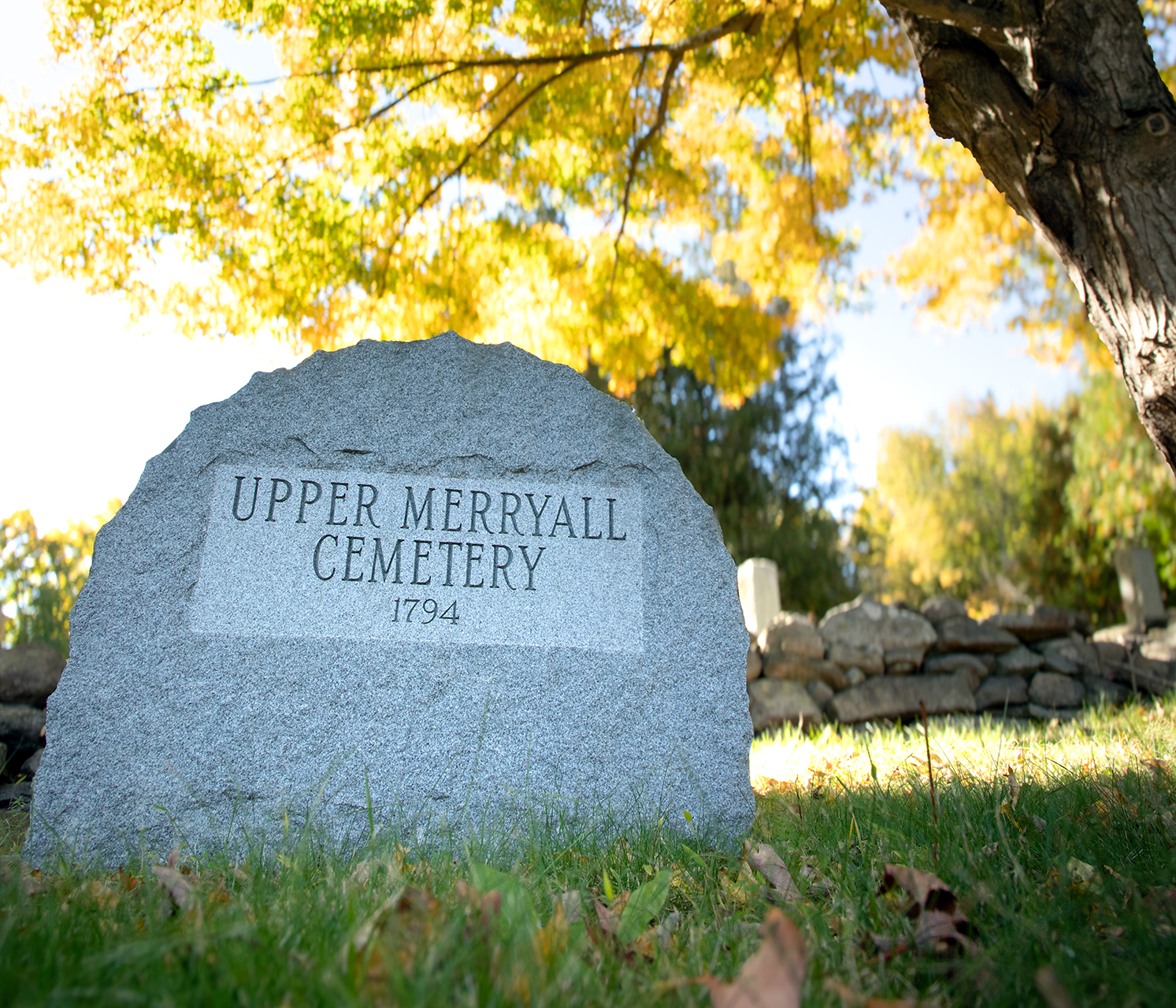
Mystery and History Hidden in Plain Site at Gallows Hill Burying Place
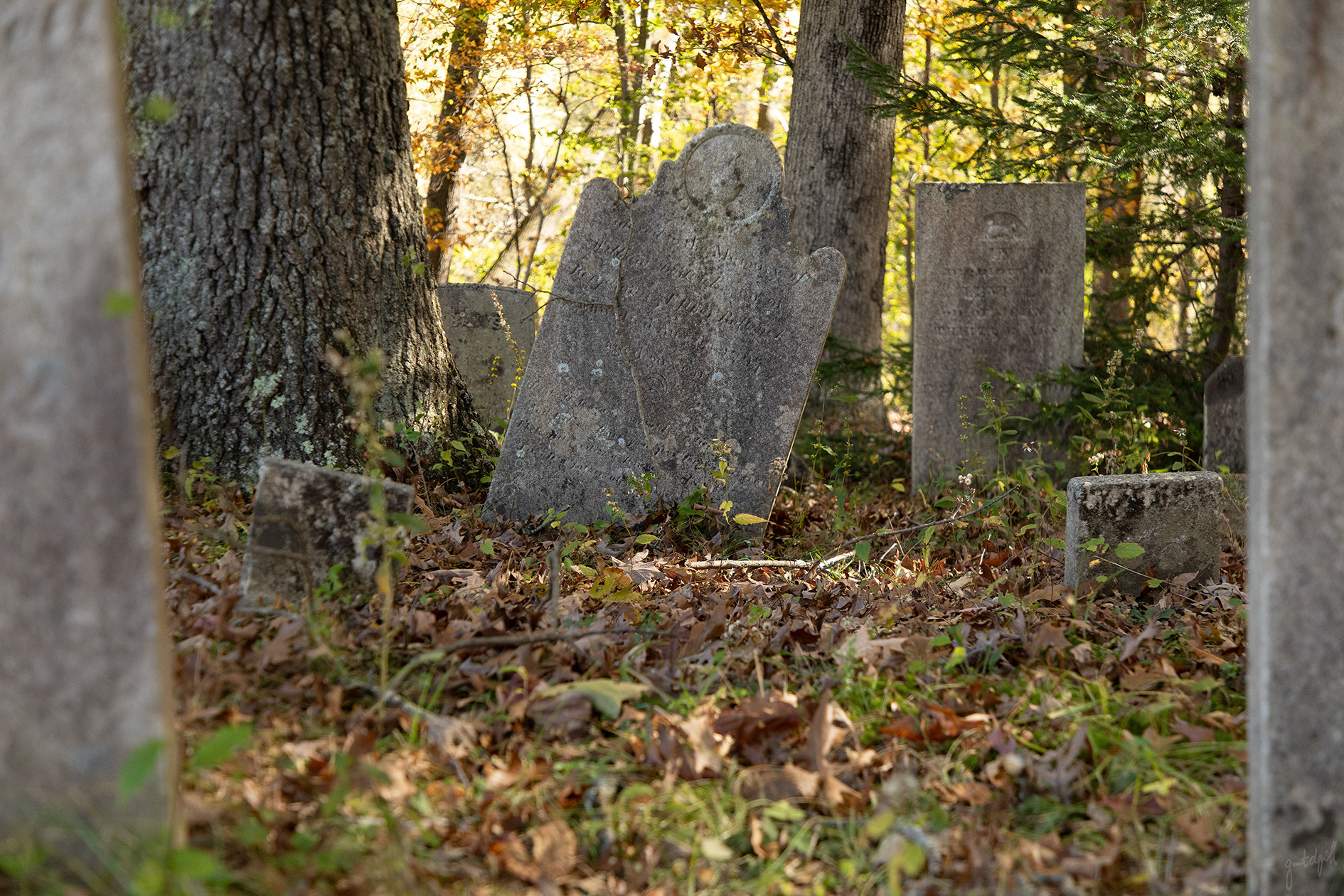
Nearly 292 years ago, three of New Milford's Selectmen, James Hine, Nathaniel Bostwick, and Joseph Bostwick, surveyed a small parcel of land at the southern edge of town. The date was October 23, 1734, and the place would come to be known by a rather ominous name:
Gallows Hill Burying-Place.
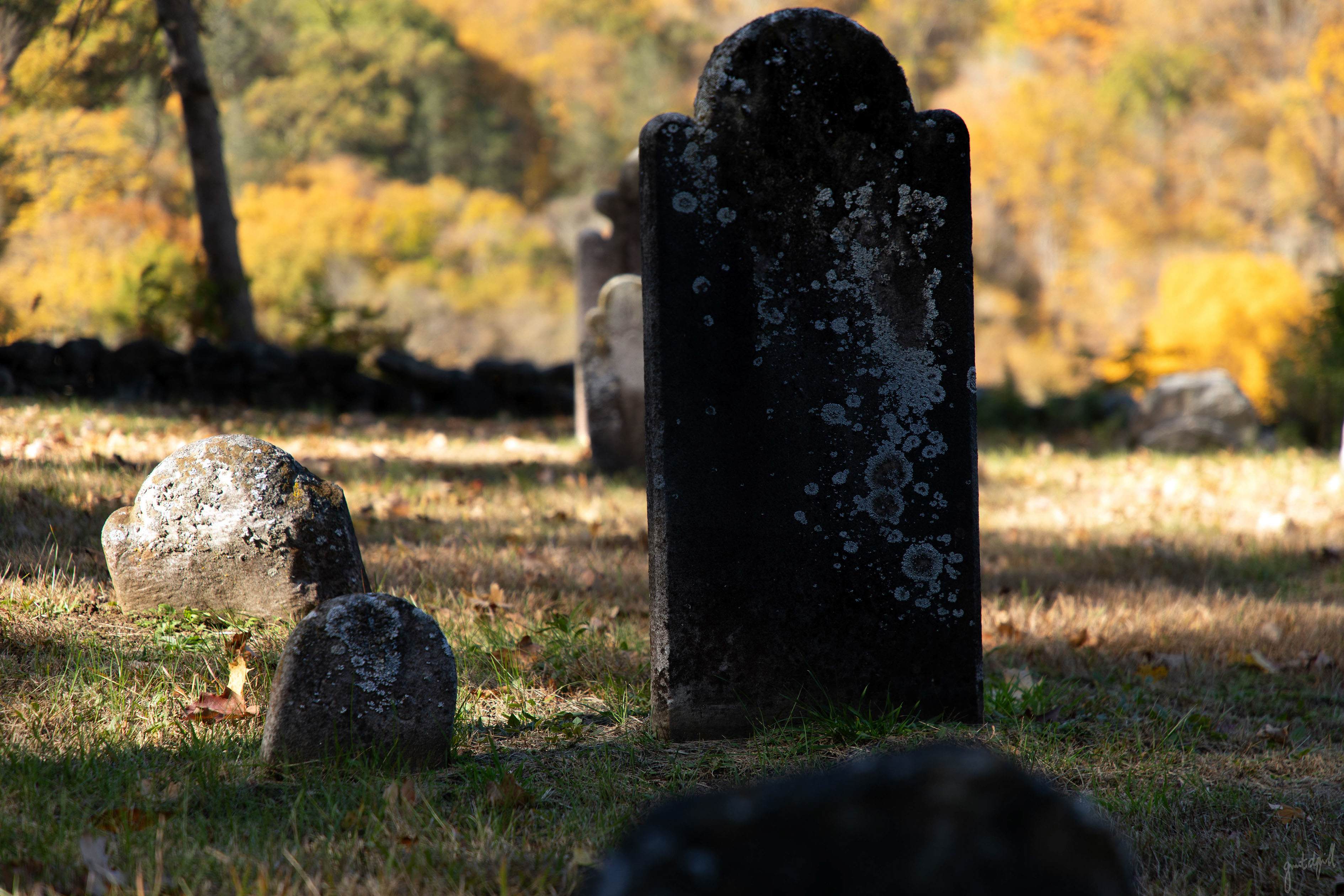
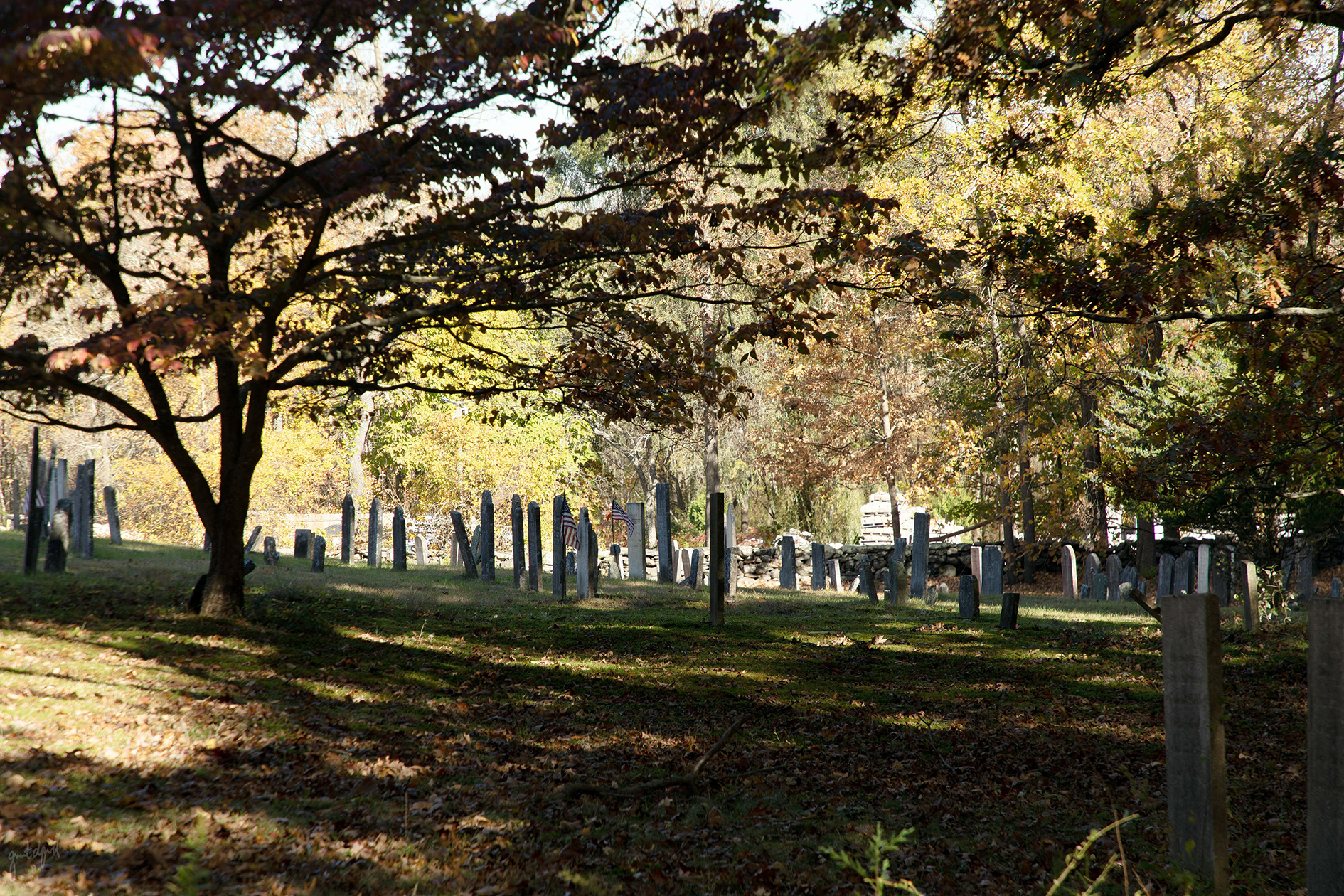
Perched atop a small knoll in an area once known as South Farms, Gallows Hill Cemetery sits amid fields, woods, and layers of local history.
Just north of the present-day Brookfield town line, directly across from Faith Church, the cemetery's early surroundings included an ironworks, a schoolhouse, and farmland. Yet among the stories associated with this quiet corner of New Milford is a darker legend: that someone was hanged here before the town's official settlement.
No confirmed historical account of such an execution has been found by this writer.
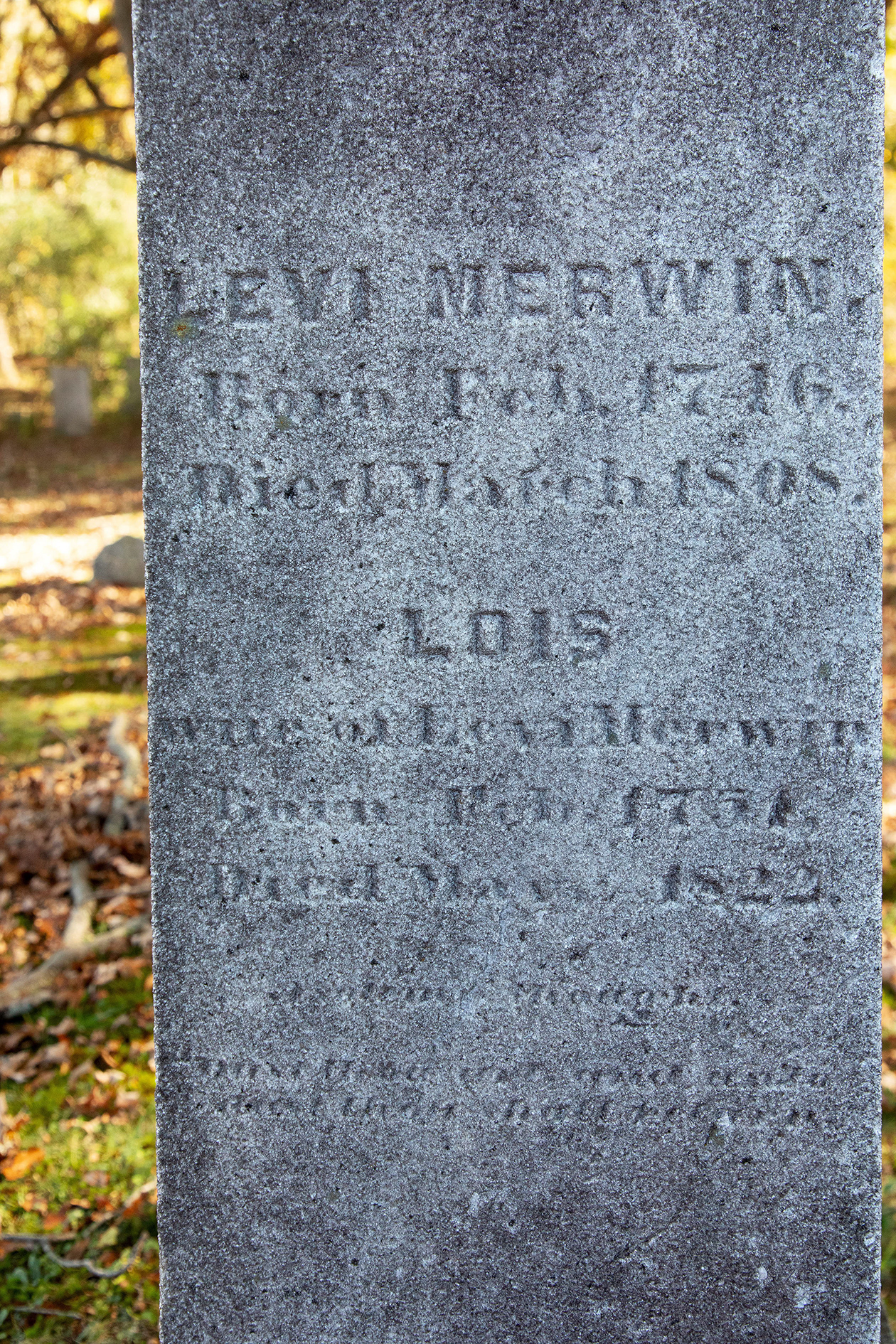
For now, the story remains just that: a legend, leaving an intriguing question about the origins of a name that has endured for centuries.
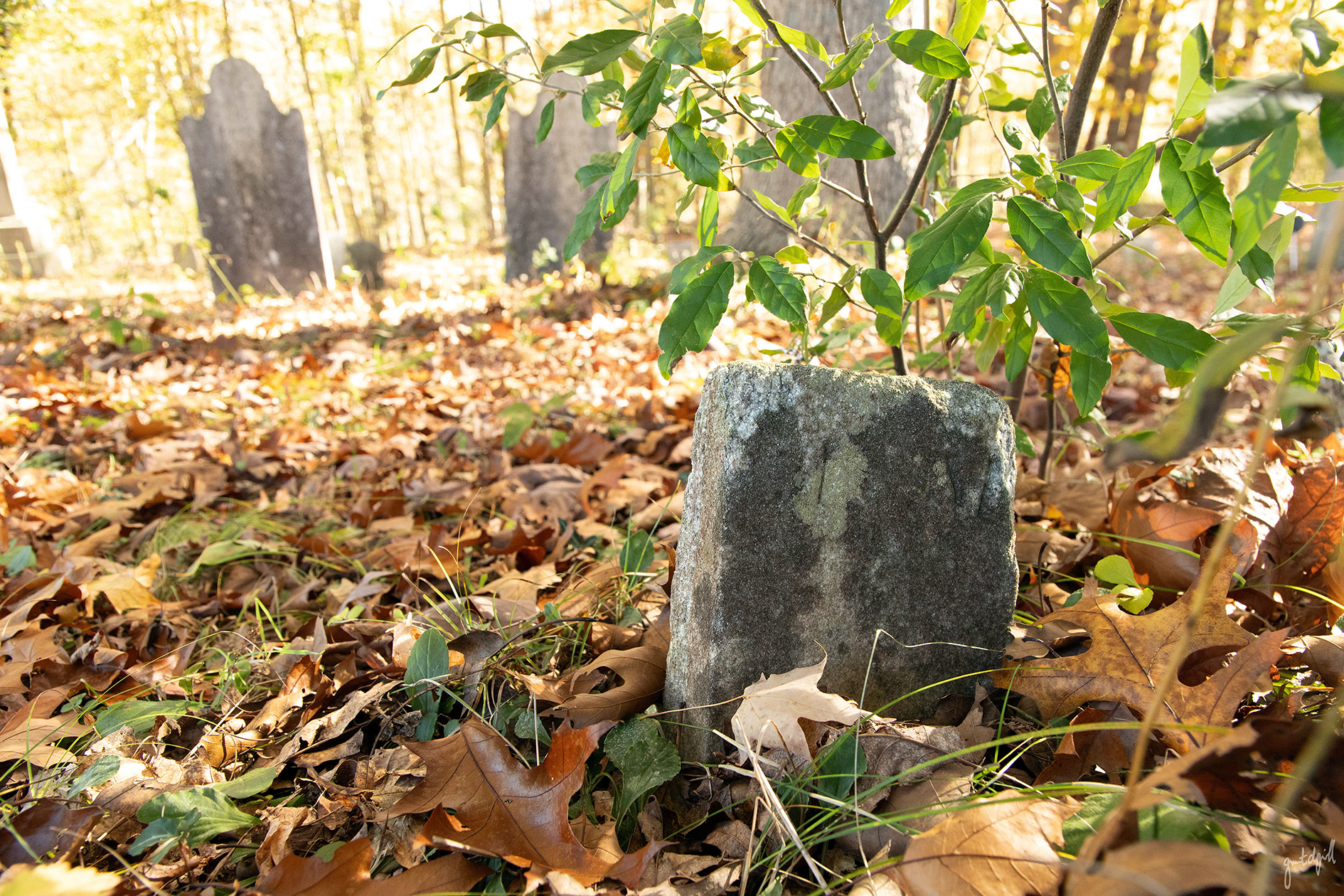
The cemetery itself has witnessed a remarkable transformation in its surroundings. Once left abandoned and unmaintained for decades, it now stands in the shadow of a modern landscape of commercial buildings and a multilane state highway. The world around it has changed, but the cemetery remains, quietly preserving traces of an earlier New Milford.
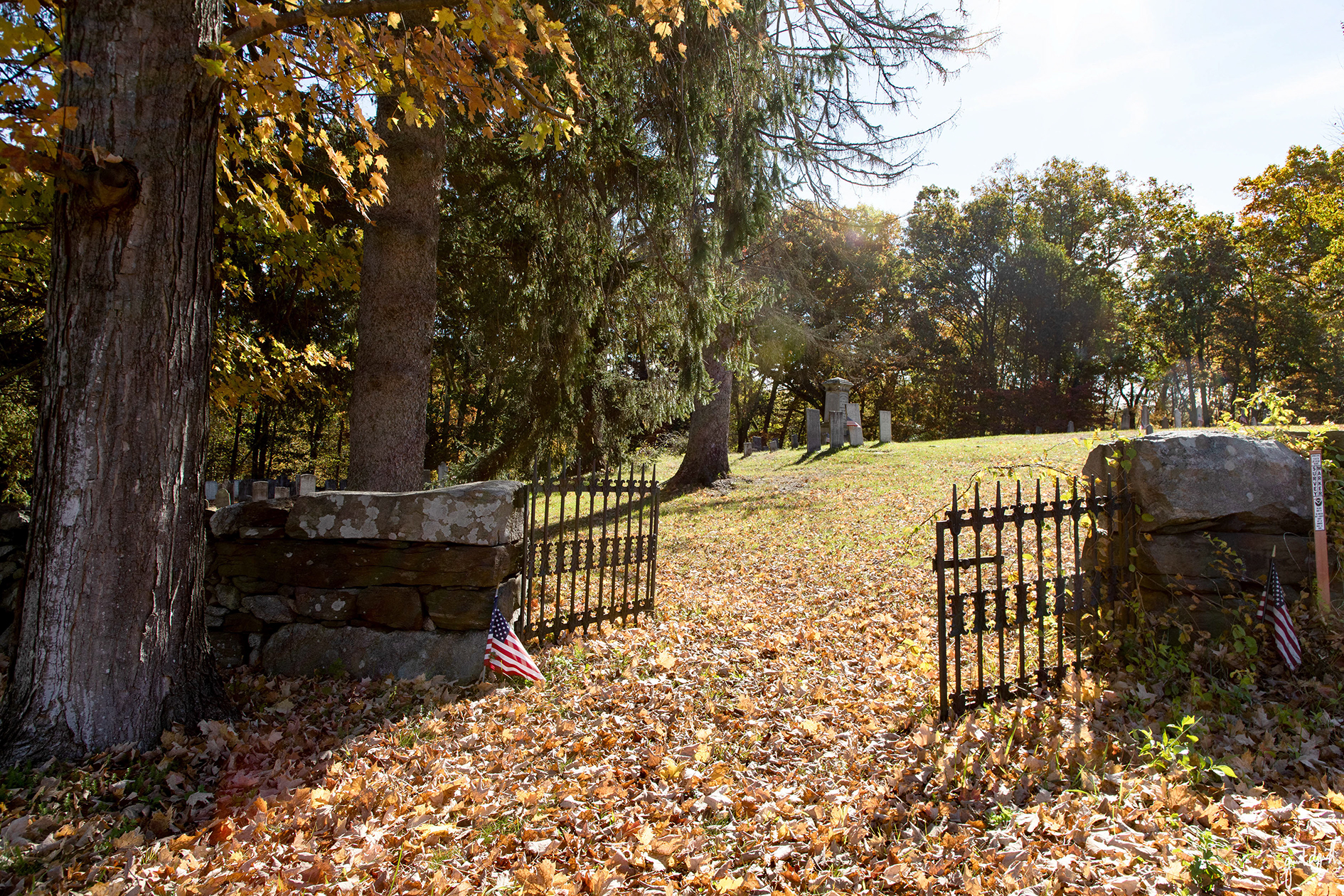
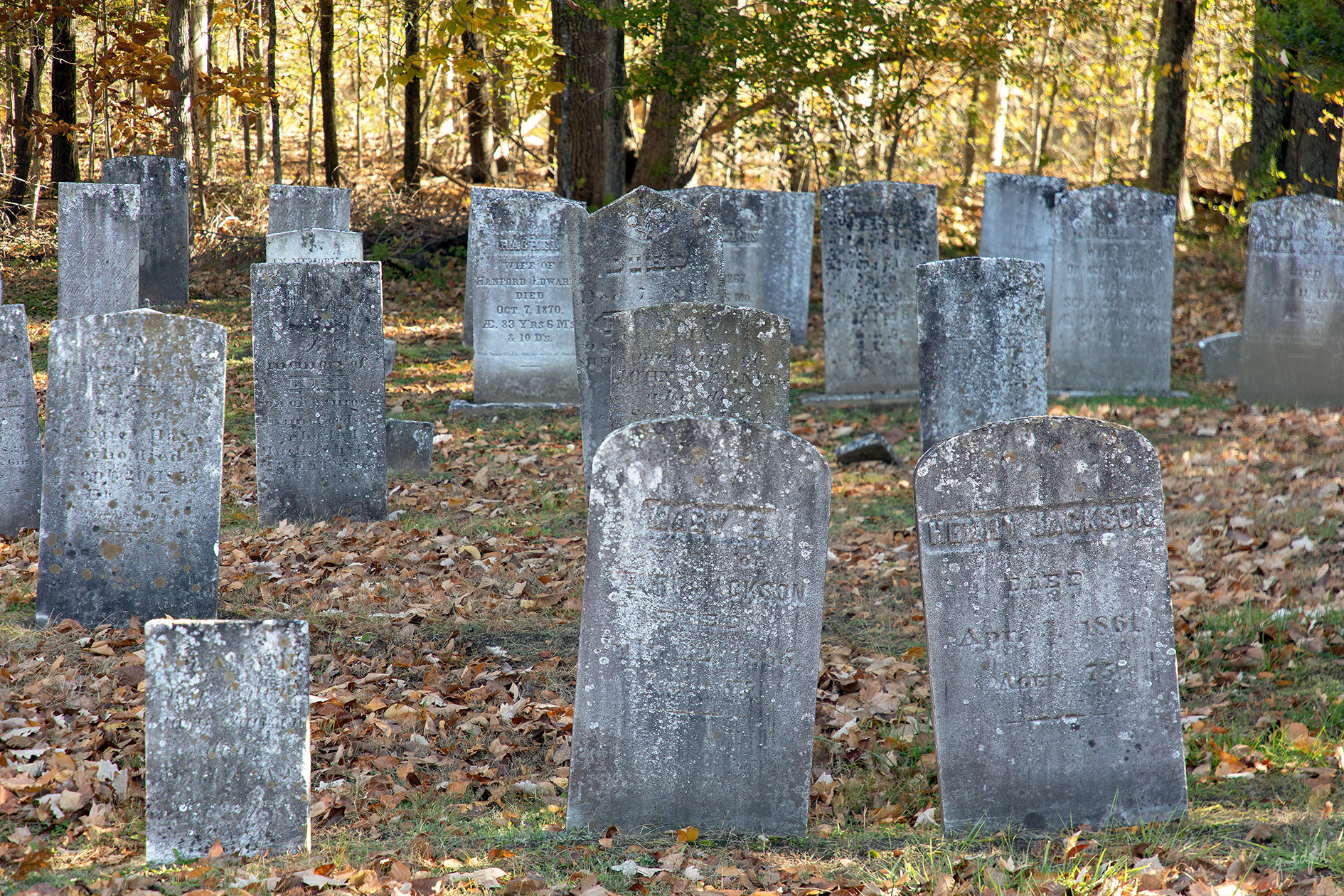
Roughly half of the grounds extend into relatively open woodland, where fieldstone walls, iron gates, and grave markers of varying shapes, sizes, and conditions mark the resting places of generations past.
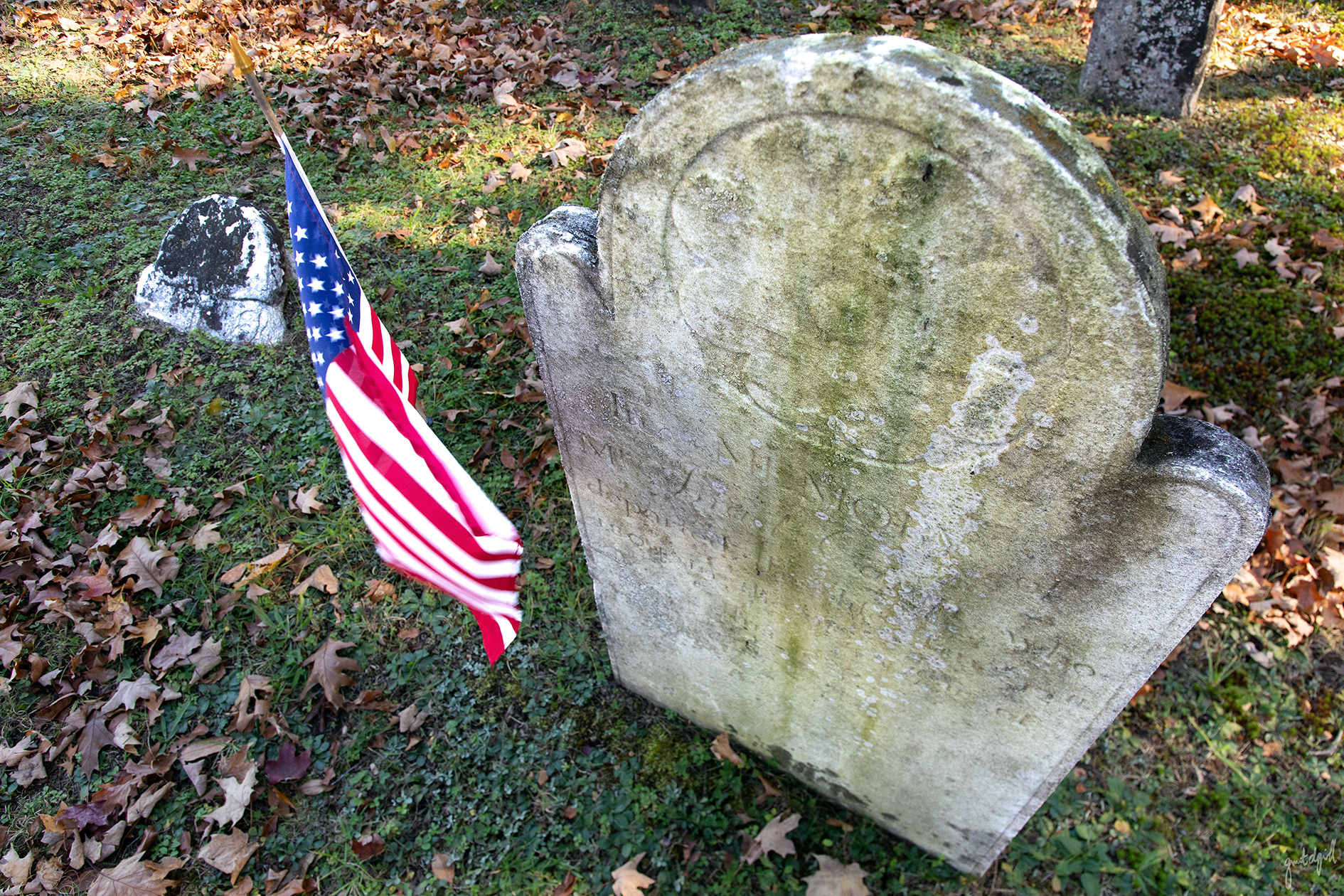
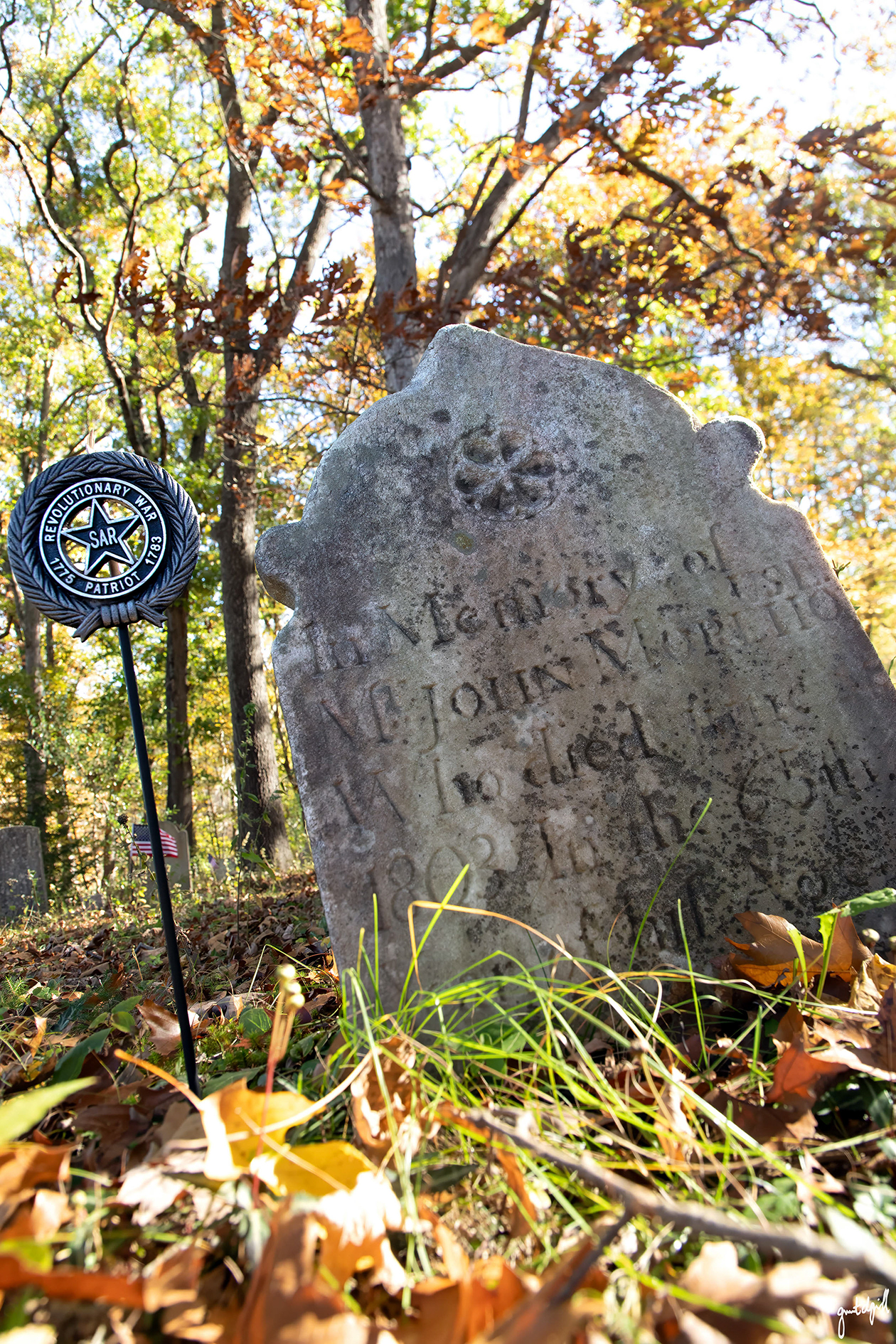
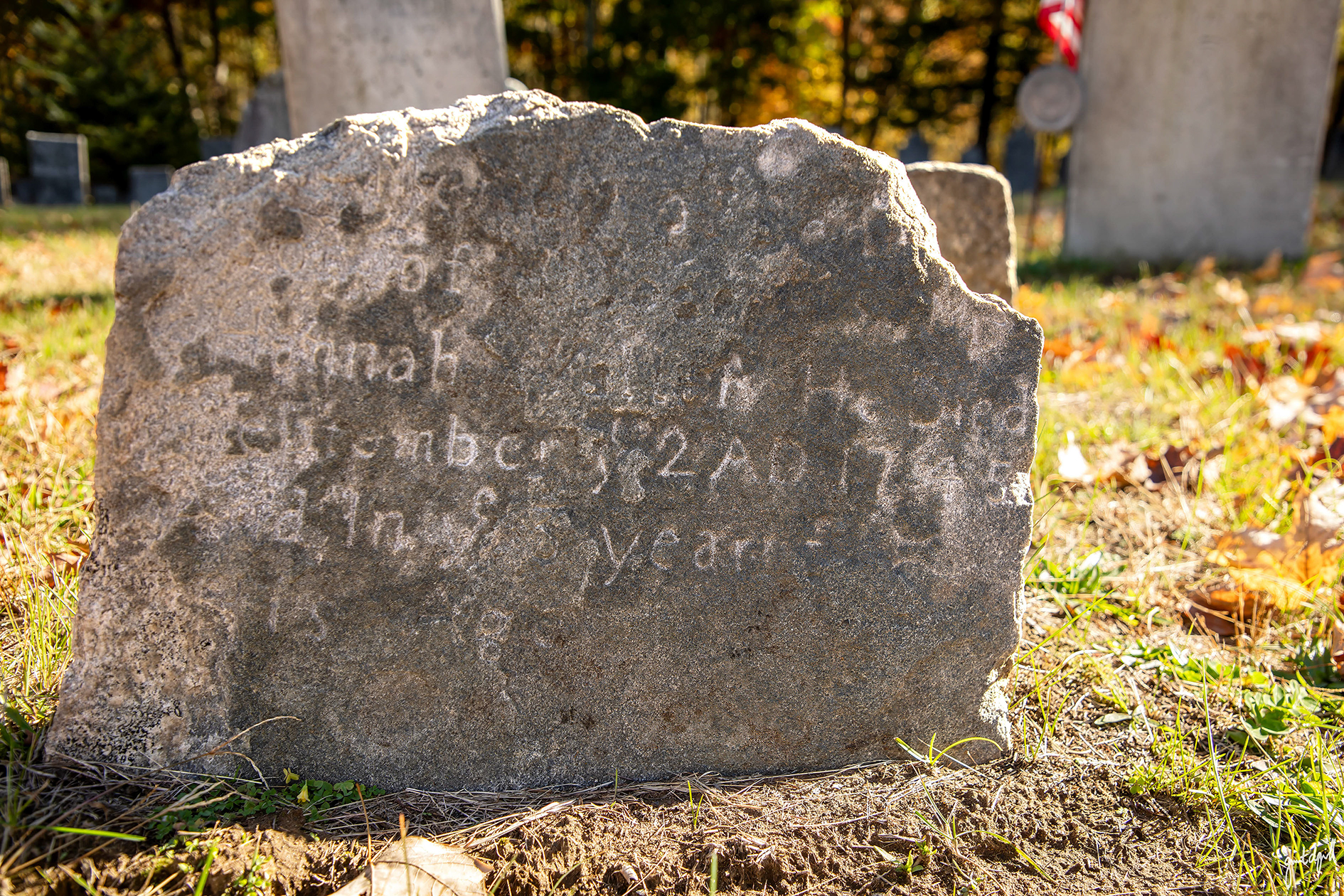
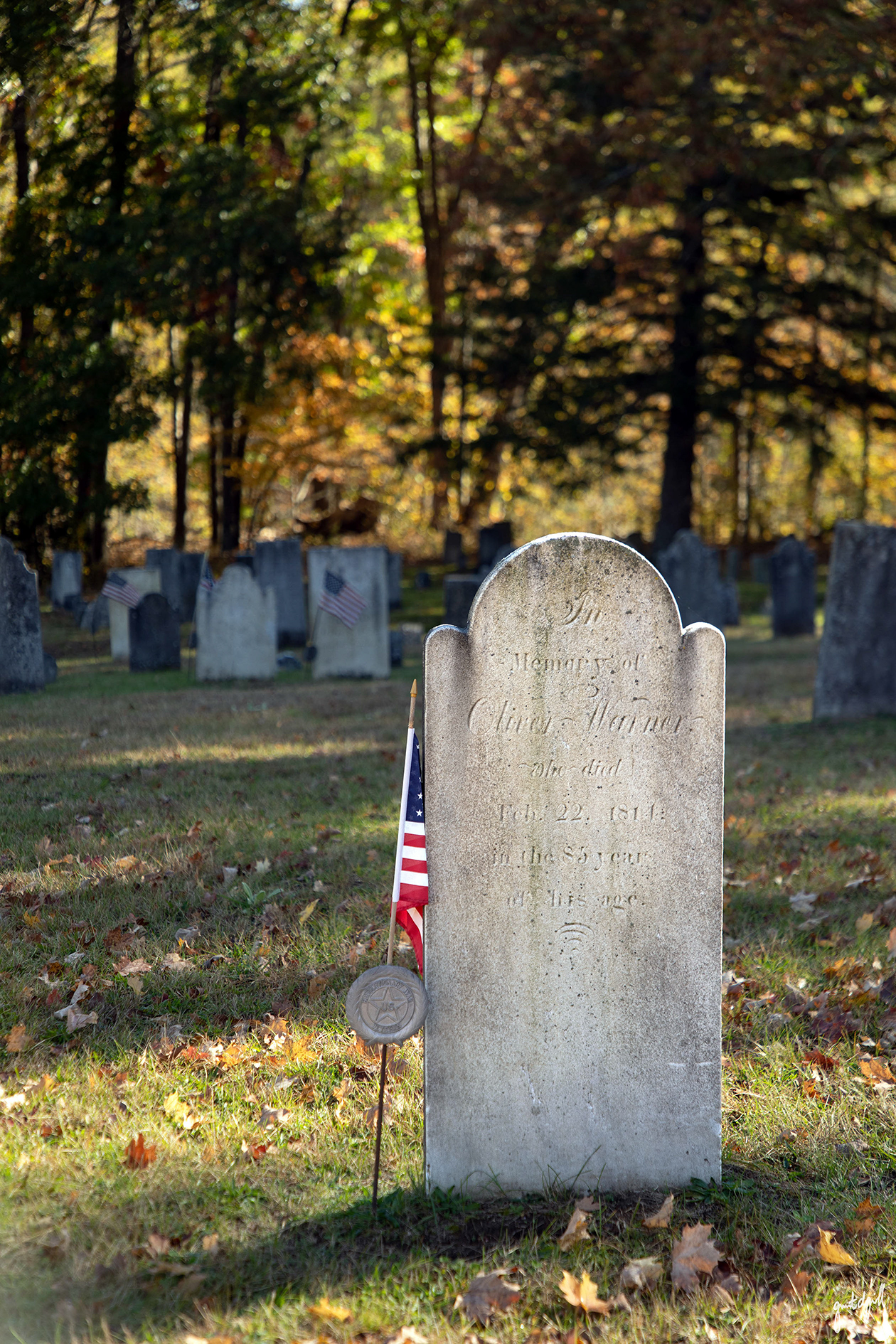
Among those buried here are several Revolutionary War veterans, their descendants, and members of families closely tied to New Milford's early history, including the Nobles and Bostwicks.
Today, the grounds receive care from crew members at Sullivan Farm, while organizations such as the Sons of the American Revolution help ensure that the graves of Revolutionary War veterans remain identified and marked.
Their efforts offer a connection between the present and those who lived through the earliest chapters of our nation's history.
For all its historical significance, Gallows Hill Cemetery is easy to overlook as you head north towards New Milford’s center at 45mph. There is no formal parking area, and access is via Gallows Hill Road, a relatively narrow roadway alongside active businesses. Visitors should use caution and be respectful of the property and its surroundings.
But perhaps the most intriguing thing about Gallows Hill is not what has been preserved, but what remains unknown.
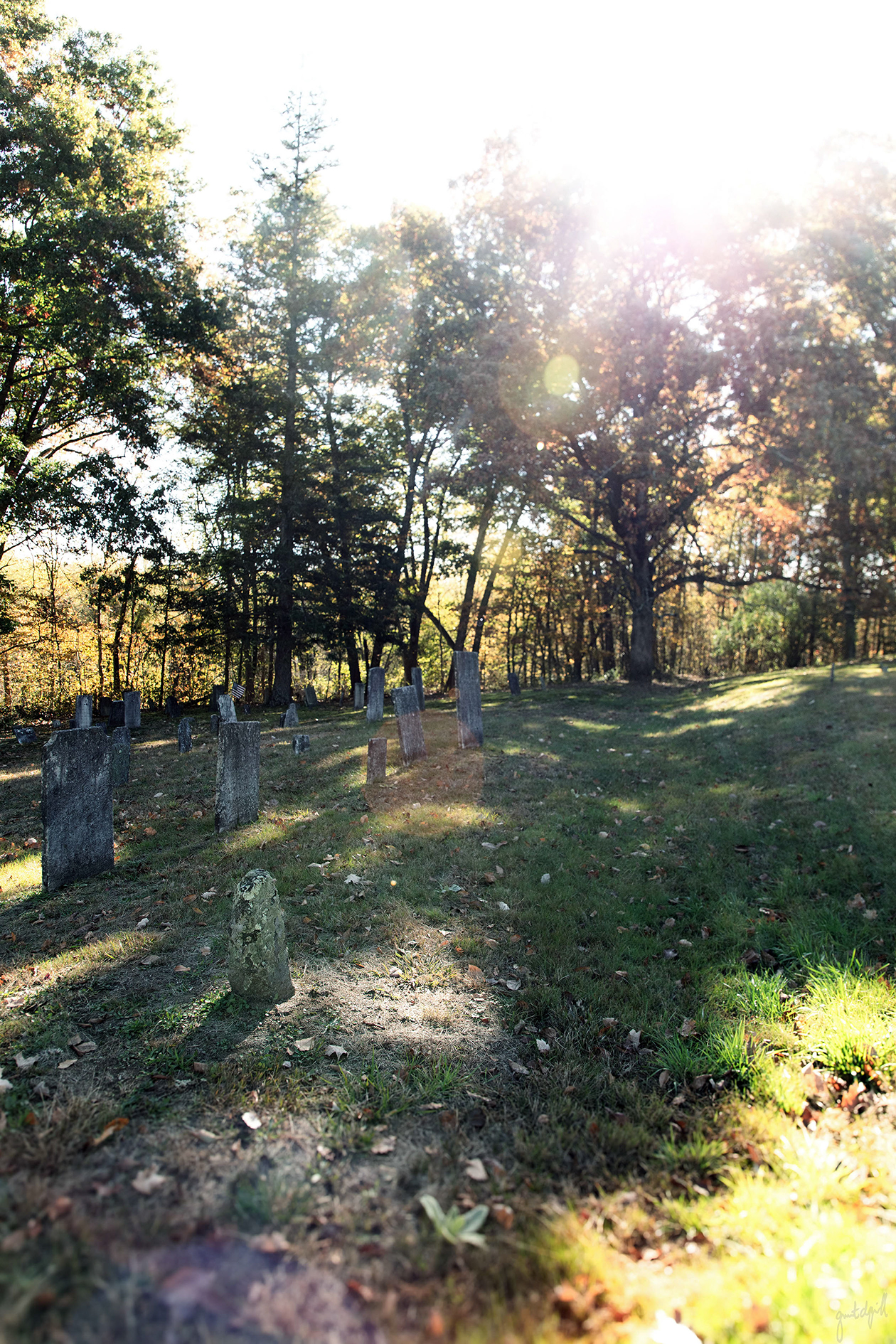
And sometimes, the most compelling mysteries, like these almost 300 year old burying grounds, are hiding in plain sight.
Source:
Orcutt, Samuel. History of the Towns of New Milford and Bridgewater, Connecticut, 1703-1882. Press of the Case, Lockwood and Brainard Company, 1882.